

How a Small Family Project Became One of Japan’s Original Snack Subscription Boxes
There are probably easier businesses to start than shipping Japanese snacks around the world from a small town in Japan.
At least, that’s what we tell ourselves now.
Freedom Japanese Market at a Glance
Founded: 2011
Subscription service launched: 2012
Based in: Rural Japan
Multicultural, Family-owned and operated
Thousands of boxes shipped worldwide
Relaunched after pandemic shutdown
Supports Japanese snack makers
It has been quite a while since we last sat down to write a proper blog post. We had originally planned to write about summer snacks, seasonal flavors, or some of the unusual limited-edition treats currently appearing in stores across Japan. But every time we started outlining ideas, we kept coming back to the same topic: Why did we start Freedom Japanese Market in the first place? And maybe more importantly, why are we still here after all these years?
Recently, our family has spent a lot of time reflecting on the past while planning for the future. Freedom Japanese Market is currently going through something of a renaissance phase. We are rebuilding, rethinking, and rediscovering what made this business special to us from the very beginning.
We are not the biggest Japanese snack company. We never have been. We don’t have giant warehouses, huge marketing budgets, or celebrity sponsorships. What we do have is a story built on family, persistence, customer trust, and a genuine love for sharing Japanese culture through food.
And honestly, that means a lot to us.
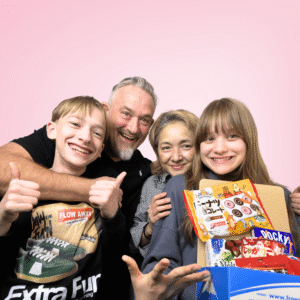
Starting Before Subscription Boxes Were “A Thing”
Freedom Japanese Market is actually one of the oldest Japanese snack subscription box companies still operating in Japan today. That might sound strange considering subscription boxes feel like a fairly modern idea, but we entered the market long before most of the convenient software, shipping systems, and fulfillment services existed.
Back then, everything felt a little like the Wild West.
The idea first started around 2011. At the time, we (Sanae and Ken) were already running a few local businesses in Japan, but we wanted to branch out into something new. Japan still carried a certain mystery overseas, and many Japanese products were difficult to find outside the country unless you physically visited Japan yourself.
We also had another important motivation: family.
Our children, Kevin and Juliet, had recently been born in 2010, and like many parents, we were thinking about the future. We wanted to build something that could help support their education and create opportunities down the road.
At first, snacks were not even part of the plan.
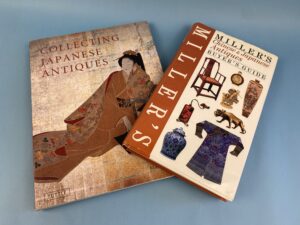
We explored several ideas including Japanese antiques, specialty imports, and international drop shipping before eventually deciding to focus on Japanese household goods and stationery products. These were items that could easily be found in local Japanese stores but were surprisingly hard to purchase overseas at the time.
Looking back now, it’s funny how small it all started.
Neither of us knew much about programming, and building a website back then was far more complicated than it is today. We spent countless nights trying to figure out how online shopping carts worked, how to process payments, and how to organize inventory without accidentally losing track of everything.
Then one day, our very first order arrived.
A customer from New York purchased a Japanese powder designed to solidify used cooking oil so it could be disposed of more easily. We were absolutely thrilled. It felt like proof that maybe this strange little idea could actually work.
What we did not realize at the time was how quickly this “small side business” would start consuming every free moment we had.
The Accidental Beginning of Freedom Japanese Market
Our entry into Japanese snacks happened almost by accident.
As part of a promotion for our online store, we created a series of Fukubukuro, or “Lucky Bags,” filled with assorted Japanese snacks. In Japan, Fukubukuro are mystery bags commonly sold around New Year’s, and we thought they would be a fun way to attract new customers to the website.
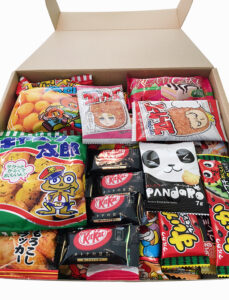
What happened next completely surprised us.
The snack bags became significantly more popular than the products we originally intended to sell.
In hindsight, maybe we should have seen it coming.
Anyone who has traveled through Narita or Haneda Airport has probably witnessed tourists sitting on the floor near check-in counters desperately trying to squeeze boxes of Japanese snacks into already overstuffed suitcases. Every time we visited friends or family abroad, we were also handed shopping lists filled with requests for strange KitKat flavors, seasonal chips, or quirky candies someone had seen online.
People didn’t just like Japanese snacks. They were fascinated by them.
And more importantly, people wanted them regularly.
That realization slowly evolved into the idea for a subscription box service.
The only problem was that subscription boxes were still relatively uncommon back then. There were very few examples to follow, especially in Japan. Most of what we learned came through trial and error.
How do recurring payments work?
How do you package fragile snacks safely for international shipping?
How do you avoid scams?
How do you estimate shipping prices when postage rates constantly change?
We learned everything the hard way.
Growing Slowly — and Personally
The first few years of Freedom Japanese Market were modest but exciting.
Growth came slowly, but it was steady. More importantly, we began developing a reputation for something we cared deeply about: customer service.
If we made a mistake, we tried to fix it. If a package was delayed, we responded personally. If something went wrong, we took responsibility instead of hiding behind automated responses.
That personal connection became one of the defining characteristics of our company.
Over time, bloggers and YouTubers began contacting us asking for review boxes and unboxing content. Little by little, Freedom Japanese Market started appearing in search results, and new customers began discovering us organically.
“When we started packing boxes at our kitchen table, we never imagined we’d still be sharing Japanese snacks with the world more than a decade later.”
But as the Japanese subscription market grew, so did the competition.
Suddenly, there were companies launching with full-time staff, professional marketing teams, investor backing, and enormous advertising budgets. We would hear stories about new companies gaining hundreds or even thousands of subscribers within their first few months.
That scale felt completely different from what we were doing.
We still knew many of our customers by name.

We packed boxes ourselves, often late at night after finishing work at our local businesses. Weekends became shipping days. Dining tables became temporary packing stations.

And honestly, we weren’t sure we wanted explosive growth if it meant sacrificing the level of care we had built the company around.
Since the business was helping fund our children’s future, we also felt cautious about taking on major debt or chasing flashy marketing gimmicks that didn’t align with our values.
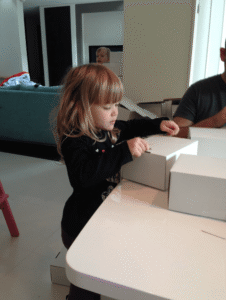
We wanted Freedom Japanese Market to feel personal. Human. Genuine.

That mattered more to us than becoming the largest company in the industry.
Then the Pandemic Arrived
Like many small businesses around the world, the pandemic changed everything almost overnight.
At first, we actually thought it might help the business. People were staying home more, online shopping was booming, and snack subscriptions seemed like the perfect comfort purchase during stressful times.
Then international shipping began collapsing.
Countries suddenly suspended package delivery services with little or no warning. One of the hardest moments came when we shipped several boxes through Japan Post’s SAL shipping service, only to have them returned to us roughly ten days later with notices explaining that shipping routes had been suspended.
There were no reimbursements.
We lost the shipping fees, the packaging costs, and often the cost of the snacks themselves.
Some countries stopped accepting international packages entirely for periods of time. Customers were understandably upset, and we empathized completely because we were frustrated too. Every day became an exhausting cycle of emails, refunds, shipping investigations, and apologies for problems we had absolutely no power to solve.
Meanwhile, some of the larger companies had resources we simply didn’t.
They could move fulfillment operations overseas or negotiate private courier contracts that remained operational during the crisis. For a small family-run business operating out of rural Japan, those options were far beyond our reach.
Eventually, we had to face reality.
We could no longer provide the reliable service our customers deserved.
And so, with heavy hearts, we decided to pause the business.
Walking Away Was Harder Than Starting
Closing down — even temporarily — was one of the most difficult decisions we have ever made.
Freedom Japanese Market had never just been about snacks. It represented years of work, late nights, family conversations, risks, mistakes, and countless moments of excitement and stress.
For a long time, we avoided looking back because it hurt too much.
But we never fully let go.
We kept our website domain. We occasionally talked about “what if.” And every once in a while, we would remember small moments that reminded us why we loved the business in the first place.
Handwritten birthday thank-you cards from children.
Messages from customers excited about trying Japanese snacks for the first time.
Emails from people thanking us for being honest and helpful during difficult shipping situations.
Those memories stayed with us.
Why We Came Back
Last year, we finally decided to revisit the idea of relaunching Freedom Japanese Market.
The emotions were mixed.
Part of us still remembered the disappointment and stress of watching years of work unravel during the pandemic. But another part remembered how meaningful the business had become — not only to us, but to many of our customers.
“Closing during the pandemic was heartbreaking, but our customers never stopped asking when we’d come back.”
So as a family, we decided to try again.
This time, however, we wanted to do things smarter.
Before relaunching, we spent a long time analyzing our past experiences and carefully reading reviews — especially negative reviews — from other subscription companies. We wanted to understand what frustrated customers the most and how we could improve the experience.
Several principles immediately stood out.
First, every package would include international tracking. In the past, a huge portion of our time had been spent answering “Where is my box?” emails without having good answers. Tracking gives customers peace of mind and helps us provide better support.
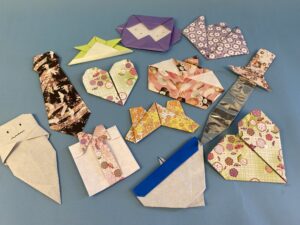
Second, we decided to replace our handmade origami bonus gifts with practical extras customers could actually use. While the origami was fun, it often took longer to fold each piece than it did to pack the snacks themselves.
Third, we wanted to stay honest about our snack curation. Our goal has always been to provide a balanced mix of traditional, quirky, seasonal, and popular Japanese snacks that people in Japan genuinely eat and enjoy. We also know that our boxes contain the best value of snacks, and many people are starting to notice.
We also wanted shipping costs to be simple and transparent. One thing we personally dislike as customers is hidden costs appearing late in the checkout process.
Finally, communication became a major priority. Subscription services should never feel confusing or sneaky. We send automatic reminders before subscription renewals and provide multiple tracking updates throughout the shipping process so customers always know what is happening.
Looking Ahead
After relaunching the service, something unexpected happened.
We started seeing familiar names return.
Former customers who remembered us from years ago began subscribing again, and honestly, that meant more to us than we can properly express.
We know rebuilding will take time. The online world has changed dramatically since we first started. Marketing methods are different, review sites often charge expensive fees for visibility, and many content creators now have sponsorship or exclusivity agreements with larger companies.
But despite all of that, we still believe there is room for small businesses that genuinely care about their customers.
Freedom Japanese Market may never become the biggest snack subscription company in the world, and that’s okay.
What matters to us is continuing to build something authentic — a service that shares a little piece of Japan with people around the world while staying true to the values we started with all those years ago.
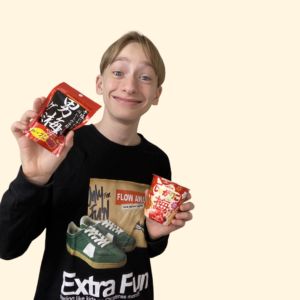
And in many ways, this new chapter feels exciting again. This time we have more help from team members that are ready to try many new snacks.

We still have plenty to learn. We still make mistakes sometimes. But we are grateful every single day that people continue supporting our small family business after everything we have been through.
Thank you for being part of our story.
And if you ever have ideas, feedback, or suggestions, we would truly love to hear from you. One of the best parts about being a small family-run company is the ability to listen, adapt, and connect directly with our customers. Just go to our contact us page or send us an email at support@freedomjapanesemarket.com.
The future of Freedom Japanese Market is still being written — and we’re very happy you’re here with us for the journey.